
Explore Emergency Care Innovation
Preparedness and coordination tools. No emergency message is sent through this site. Find official resources for your location.
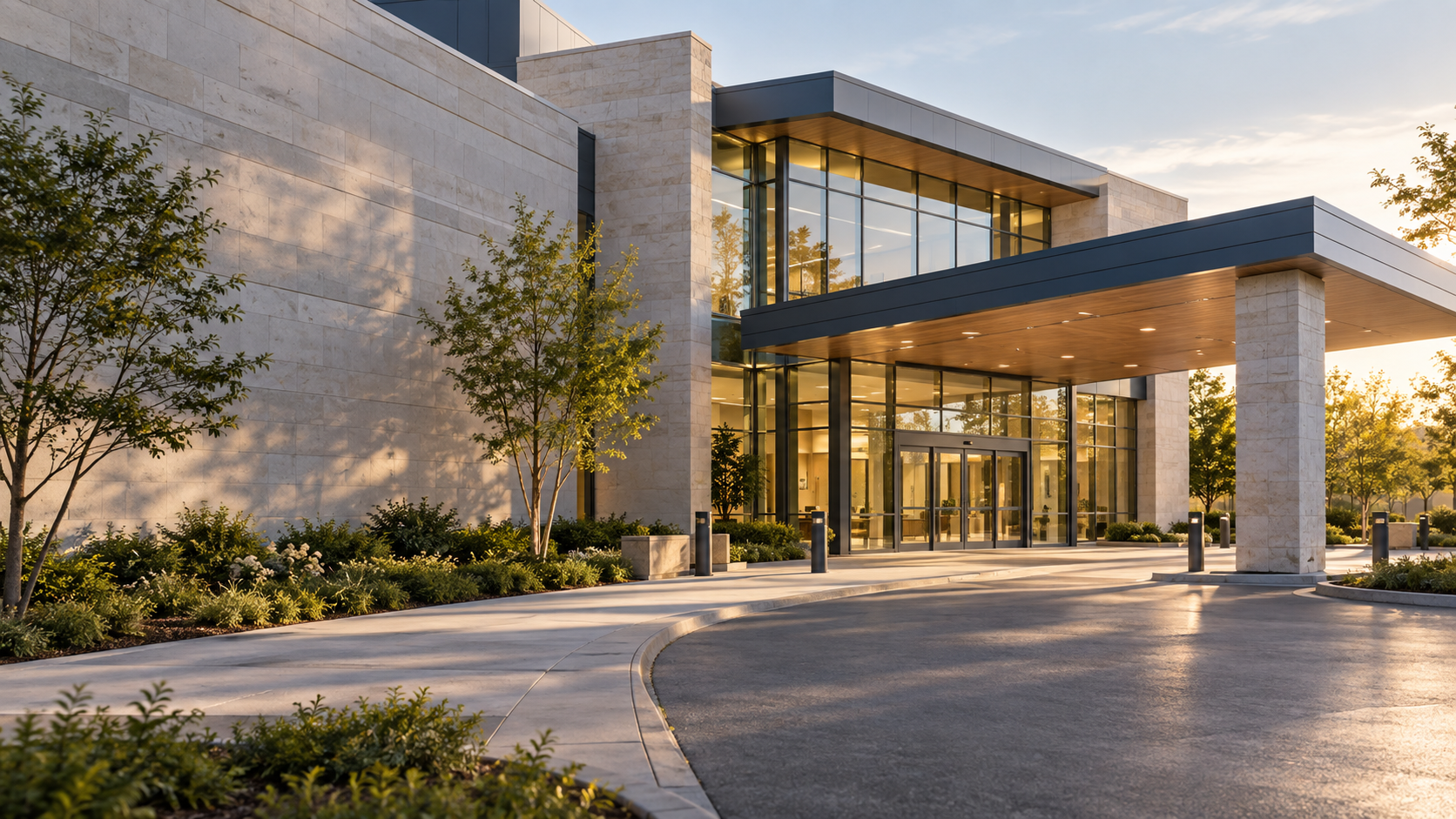
Illustrative contemporary emergency care pavilion with an accessible covered entrance

UNITED STATES SERVICE CORPS

Local Access and Readiness

Practical preparation where reaching help is difficult

Understand the local gap

A community may have an emergency number and still face difficulty reaching help. Consider dispatch coverage, transport, distance, language, disability access, cost, power, and connectivity. Use local knowledge and official guidance to identify what can be improved.

Local Access and Readiness Review

Describe the area and who is contributing to this review. Avoid household identifiers.

Record the official source, local contact, date checked, and any known limits.

Where are mobile signal, power, language, or accessible communication unreliable?

Record locally identified obstacles without assuming an alternative is safe or available.

Include people with disabilities, caregivers, young people, elders, and relevant local organizations.

Separate confirmed contacts and services from ideas that still need verification.

Choose one achievable change and the organization or person who can review it.

Set a review date and a practical measure, such as verified contact information or a completed communication exercise.

Practice, review, improve

Review the plan with the responsible local organization. A discussion or agreed exercise can reveal missing contact details, unclear roles, and access barriers before a crisis. Update copies when arrangements change.

Prepare the Communication PlanDraft a Systems Improvement Brief